

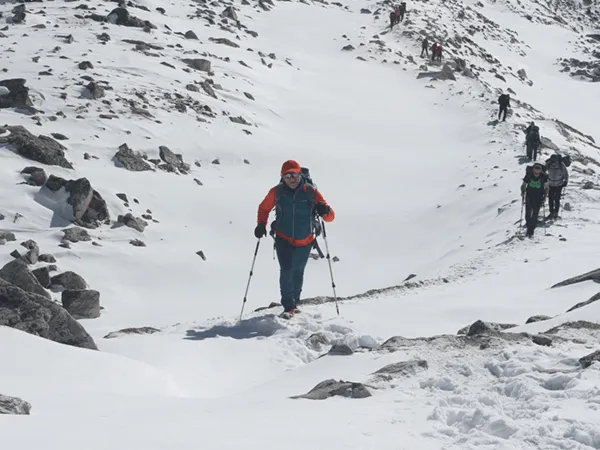
Island Peak (Imja Tse) is one of the most popular climbing peaks in the Khumbu region of eastern Nepal. Island Peak is an ideal climbing peak for beginners and first-timers. The summit is at 6189 m and provides panoramic views of Lhotse, Nuptse, Ama Dablam, and other peaks. The walk traces the famous Everest region route through the Sherpa villages of Namche Bazar and Dingboche to the base of the Island Peak. The journey to the summit starts early in the morning from the base camp and gradually becomes steeper as they reach the summit of Imja Tse.
Island Peak Permit Fee: Updated Guide for Climbers
One of the first things mountaineers need to do before embarking on an Island Peak climb is to obtain the necessary permits for climbing the peak. It is important for the climbers to be aware of the climbing authorizations, regional entry requirements, and seasonal permit fees prior to the expedition. This article will describe the cost of the Island Peak permit, the various climbing seasons' permits, and the extra permits needed, as well as how to obtain them, which will help you get full approval to climb the top of the island peak.
Island Peak Permit Cost in 2026
The current Island Peak permit fee for foreign climbers follows the revised Nepal Mountaineering Association (NMA) rate for Imja Tse, the official name of Island Peak.
| Climbing Season | Island Peak Permit Fee (Foregin Nationals) |
| Spring (March to May) | USD 350 |
| Autumn (September to November) | USD 175 |
| Summer (June to August) | USD 175 |
| Winter (December to February) | USD 175 |
The permit fee is only one part of the overall Island Peak climbing budget. Other costs involved are the Sagarmatha National Park entry fee, the Khumbu Pasang Lhamu Rural Municipality fee, trekking permits, transportation, accommodation, meals, climbing equipment, guides, porters, insurance, and other services taken during the expedition.
Why is the Island Peak Climbing Permit more expensive in spring?
Climbing Peaks permit fees are set by the Nepal Mountaineering Association (NMA). They charge higher fees during the spring season, as it is the main season for peak climbing.
The months of March, April, and May are the most popular months for climbing in Nepal because of the favorable weather conditions and the extended daylight hours, which draw large numbers of climbers to the mountains. Mountaineers can also choose the autumn season for the peak climbing, which offers stable weather and a great mountain view from the summit with a cheaper permit fee.
The increase in the spring season permit fee is therefore a seasonal pricing difference and not an additional fee for a different permit. Climbers can choose between spring and autumn by considering both the permit cost and the expected weather and route conditions when selecting their climbing dates.
Additional Permits Required for Island Peak
The main climbing permit is not the only document you need for an Island Peak Expedition. Because the mountain is located in the Everest region, climbers also need permission to enter the relevant protected and local administrative areas.
The main permits and charges normally associated with the journey include:
- NMA Island Peak climbing permit
- Sagarmatha National Park entry permit
- Khumbu Pasang Lhamu Rural Municipality entry permit
- TIMS registration where applicable
The Sagarmatha National Park permit is separate from your NMA climbing authorization. Paying the climbing fee does not replace the national park entry requirement. Similarly, the local area permit is associated with entering the Khumbu region and is separate from the peak climbing authorization.
This is where many first-time climbers can become confused. You might see an agency advertise an Island Peak package and assume that every government fee is included. In reality, operators structure packages differently. Some include all permits in their published price, while others show them separately. Make sure to read all the services included in the package before choosing your travel partner.
How to Obtain an Island Peak Climbing Permit
For international climbers, the NMA climbing permit is obtained through a registered Nepali trekking or mountaineering agency. Foreign climbers are unable to apply directly for the permit. So the registered trekking and peak climbing agency in Nepal makes the application and corresponds with the relevant authorities on their behalf.
Once the best-suited agency has been selected, climbers can fill out their personal and expedition information, and the agency then will submit the permit application. The agency will also arrange other things for the Island Peak expedition, such as accommodation, transportation, guides, and climbing logistics.
Documents Required for an Island Peak Permit
Prior to the permit application process, mountaineers need to gather the necessary documents and personal information. These consist of:
- Valid passport copy
- Passport-size photographs
- Nepal visa information
- Emergency contact details
- Travel insurance documentation
- Climbing detailed information
The agency will specify what documents are needed for the application and provide climbers information on the validity of the permit, climbing dates, and any other administrative formalities.
Important Tips for Island Peak Climbing Permits
Along with acquiring the permits, the climbers also need to pay attention to the conditions attached to it. Some of the important points to remember by the climbers during the trek and peak climbing are
Review permit information: Ensure that your name, climbing peak, climbing season, and other permit information are correct prior to departing for the expedition.
Always carry the permit: The climbing permit and other necessary documents are checked by officials at various check points along the trek. Therefore, do not forget to pack it and keep it safely in the luggage.
Non-Transferable Permit: The climbing permit will not be transferable; it will be issued only to the climber listed and authorized for climbing.
Follow designated routes and dates: Climbing on routes and dates other than those specified may require additional authorization.
Use services of a registered company: It is only possible to obtain an NMA climbing permit for Island Peak through a registered trekking/peak climbing agency in Nepal.
Make copies of documents: In case the documents are lost or damaged, have a digital and/or hardcopy copy of your permit, passport, insurance and other important papers.
By following these requirements, you can ensure a successful expedition and avoid problems with the local authorities while climbing the Island Peak.
Conclusion
Obtaining permits is a very crucial aspect of the Island Peak climbing. The NMA climbing permit is the main climbing permit. Whereas, other permits, such as the Sagarmatha National Park permit and the Khumbu Pasang Lhamu Rural Municipality permit, are also mandatory for the journey.
Foreign climbers need to apply through any registered trekking/mountaineering company in Nepal and have all the relevant documents ready beforehand. By knowing the current seasonal fees and permit guidelines and tips, unexpected expense and confusion can be avoided during the expedition.
Once all permit applications have been submitted and paperwork is ready to go, climbers can completely concentrate on enjoying their journey to the summit of Island Peak (6,189 m) in the Khumbu region.
Need Help? Call Us


We're Here to Help 24/7
Meet Your Local Experts
Creating unforgettable journeys across Nepal, Tibet, and Bhutan.
At Rising Adventure, we believe in connecting you to mountains, culture, and peace. As your trusted local travel partner, we create safe, authentic, and unforgettable trekking, climbing, and tour experiences across Nepal, Tibet, and Bhutan. With experienced local experts and personalised service, we're with you every step of your journey, from your first enquiry to your final departure, ensuring a smooth, memorable, and truly unforgettable experience of a lifetime.