

Mount Manaslu, at 8,163 meters (26,781 feet), is the world’s eighth-highest mountain, located in Nepal’s Mansiri Himal ranga in the Gorkha region. It is a challenging expedition through the Himalayas because of the long ridges, glaciers, high-altitude terrain, and remote location.
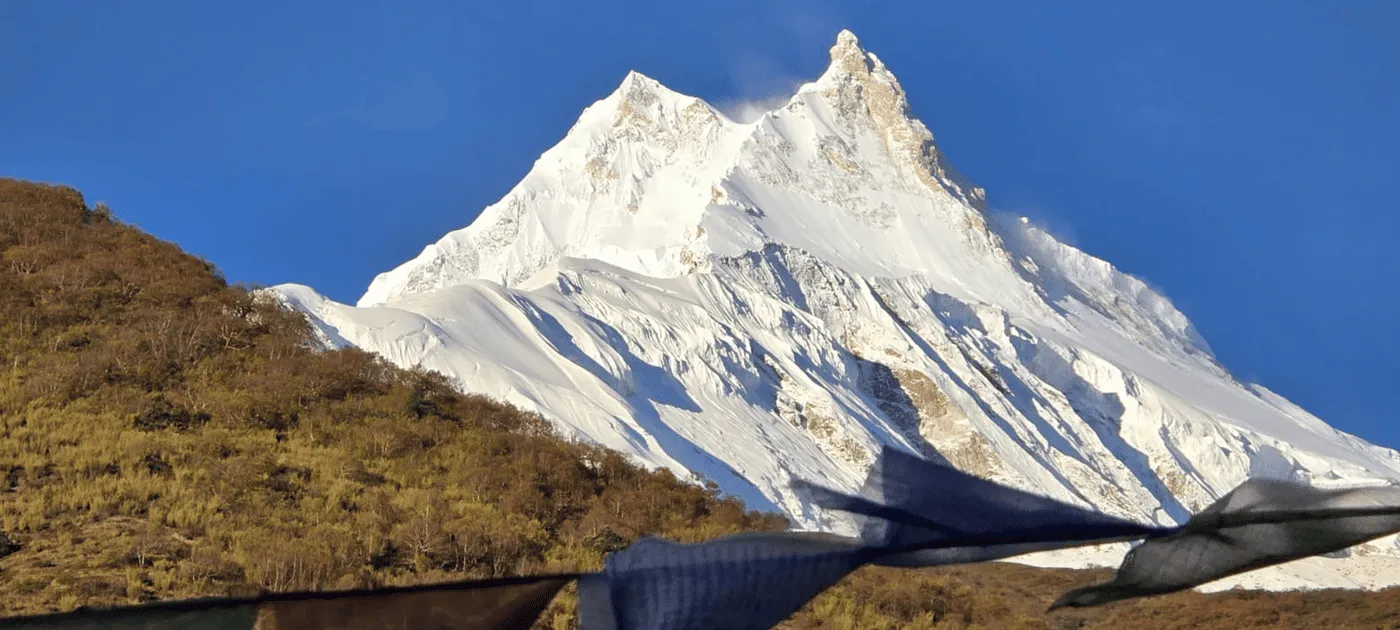
How Difficult Is the Manaslu Summit Climb? Ultimate Climbing Guide
The Manaslu climbing difficulty is considered challenging to extreme level in general. The biggest challenges are the extreme elevation, the variable climate, the glacier travel, steep snow and ice, avalanche risk, and the physical effort required in climbing above 8000 meters. While not constantly very technical, the normal route requires good knowledge of snow, ice, rope technique, use of crampons and glacier travel.
This blog will cover factors that influence the difficulty of climbing Manaslu, how to overcome the challenges, and who is best suited for the Manaslu expedition.
Factors That Determine the Difficulty of Manaslu Climbing
The manaslu climbing difficulty depends on various difficulties faced by the climbers during the expedition. Rather than being defined by one exceptionally technical section, Manaslu combines altitude, snow and ice, weather, glacier hazards, and long climbing days. These factors become increasingly challenging as climbers move toward the summit.
Extreme Altitude
The elevation of Manaslu is 8,163 m, which is a place where the body receives a lot less oxygen than at sea level (just around 8% effective oxygen). With higher elevations, climbers become fatigued more quickly, recover more slowly, lose their appetite and struggle to keep up a consistent pace. The upper camps and summit push are particularly demanding because even simple movements require considerably more energy.
The altitude also creates serious health risks, which is why acclimatization is a central part of the expedition rather than an optional extra.
Technical Snow and Ice
The normal Manaslu route includes snow slopes, ice sections, crevasses, and fixed ropes. Historical accounts of the Northeast Ridge route describe the section between Camp 1 and Camp 2 as a technical part of the climb, including steep snow and ice.
Climbers therefore need experience with crampons, ice axes, fixed ropes, harnesses, and ascenders. The precise difficulty can change depending on snow and glacier conditions each season.
Weather Conditions
Weather is an important factor in the Manaslu climbing difficulty. Climbing can be more difficult and summit attempts may be delayed due to strong winds, snowfall, freezing temperatures and low visibility. Weather conditions can also suddenly change, affecting routes and bringing up the avalanche danger.
Fresh snow could cover crevasses and likewise, strong winds can make exposed areas more hazardous. Low temperatures also make frostbite a risk on long days on the summit. Climbers should be aware of changing conditions and adjust plans accordingly, as weather can change very quickly.
Crevasse and avalanche risk
Climbers are exposed to crevasses when traveling on glaciers and avalanche hazards when the snow is not stable. Historical accounts identify avalanche danger as an important concern on the Manaslu's normal climbing route, while changing snow conditions can also expose more crevassed terrain.
These are objective hazards that cannot be eliminated through fitness. Route knowledge, experienced mountain staff, rope techniques, careful timing, and current conditions all play a role in managing them.
Long Summit-Day Effort
The summit push brings together nearly every challenge on Manaslu. Climbers are already carrying fatigue from weeks of trekking, acclimatization, and high-altitude rotations, yet they must continue climbing for many hours in extremely thin air.
The long day on the summit can be physically taxing, as climbers are required to keep up a consistent pace while having to cope with the cold, steep terrain, limited oxygen and low energy levels. Pacing, hydration and nutrition management are crucial during ascent. Additionally, climbers also need strength for the descent, which can be as challenging as the ascent.
How to Overcome the Obstacles on Manaslu
The key to dealing with the challenge of climbing Manaslu is preparation. While the objective dangers of an 8,000-meter mountain cannot be eliminated, climbers can enhance their capacity to deal with altitude, physical fatigue, and technical terrain and the ever-changing conditions.
Focus on Proper Acclimatization
One of the important aspects of a Manaslu expedition is acclimatization. The Manaslu Expeditions typically involve a gradual ascent to higher elevations with rest periods and rotations to different camps.
Climbers are able to climb to a higher elevation and then descend to lower elevations to recover. They also provide excellent opportunities to familiarize yourself with the route and the peak climbing equipment before the summit push.
Exposure to the high altitudes doesn't mean you're immune to altitude sickness. Therefore, it is important for climbers to be cautious and consult guides or the expedition leader if they are feeling unwell.
Develop endurance and strength
The condition of the body plays a vital role, as the Manaslu Expedition entails making ascents with carrying equipment. When you are training, the focus should be on improvement of cardiovascular endurance, leg strength, core stability and strength endurance.
Useful preparation can include:
- Long uphill hikes
- Stair climbing
- Incline walking
- Trail running or cycling
- Weighted hiking
- Squats and lunges
- Step-ups and core exercises
The aim is to make prolonged climbing feel more manageable and to arrive at the expedition with enough physical reserve for repeated high-altitude rotations.
Develop Technical Mountaineering Skills
Fitness cannot compensate for a lack of technical skills. Climbers should already be comfortable using crampons and an ice axe, moving on steep snow and ice, ascending and descending fixed ropes, and using equipment such as harnesses and ascenders.
Glacier travel and crevasse awareness are also important because route conditions can change during the expedition. By mastering these skills, climbers can become more efficient and conserve energy when they are already fatigued on the expedition.
Manage Energy, Nutrition and Hydration
At high altitude it becomes more and more important to manage energy. Climbers should keep a consistent pace instead of trying to climb fast at the beginning of the day and then tiring before moving on to the next camp.
Nutrition can also bring about a problem at high altitude, as appetite is often reduced. Frequent, small meals and snacks can be used to keep energy levels up, and familiar foods that are easy to eat should be carried. Staying adequately hydrated is equally important, particularly during long climbing days.
Follow Current Weather and Route Information
The manaslu climbing difficulty can change according to conditions on the mountain. A route description from a previous expedition may explain the general terrain, but it cannot predict the exact snow, ice, crevasse, or avalanche conditions of the current season.
A good expedition plan should therefore allow flexibility for weather delays and changing route conditions. Waiting for a safer window is just as important as being physically ready to climb.
Who Is Suitable for a Manaslu Expedition?
The manaslu climbing difficulty makes the expedition more appropriate for experienced mountaineers than for people attempting their first major high-altitude climb. Being physically fit enough to complete a long trek does not automatically mean someone is prepared for an 8,000-meter summit.
Ideally a climber needs to be physically fit, technically proficient, have experience in high altitude and be able to make sensible decisions in bad conditions.
Physical Condition Required
A climber of Manaslu should possess very good cardiovascular and muscular endurance. Climbing steep terrain, carrying a pack, long uphill movements, and days of recovery all call for extensive conditioning.
Special focus should be paid to:
- Aerobic endurance
- Powerful legs and hips
- Core stability
- Upper-body endurance
- Balance and coordination
- Stamina required to walk around with a pack for extended time periods
- Rest and recovery after a long period of physical effort
Training should focus on mountaineering and not just gym fitness. Long sessions up the hill and multi-hour hikes can be very helpful in building endurance that is needed during an expedition.
Prior Mountaineering Experience
Experience in high altitudes and technical mountaineering is incredibly important. Previous experience of climbing other 6000s and 7000s peaks such as Himlung Himal and Island Peak is a must to join this expedition. It is best that climbers are familiar with the effects of altitude on their bodies and have experience using crampons, ice axes, fixed ropes, ascenders, and descenders and endure extended time in cold environments.
Expertise gained from previous climbing experience also allows the climbers to gain insight into pacing, equipment handling, nutrition, and decision-making in extreme conditions. Manaslu should not be treated as a beginner's mountain simply because parts of its normal route are considered less technically demanding than some other 8,000-meter peaks.
Mental Preparation and Decision-Making
Being physically fit is just one aspect of getting ready for Manaslu. Climbers must also have patience and be able to concentrate for extended periods during cold, tiredness, bad sleep and bad weather.
The most important thing is that they have to be ready to adjust to the changing plans when necessary. A summit attempt may need to be delayed because of weather or abandoned because of health or route conditions. Good expedition judgment means recognizing that reaching the summit is only one part of a successful climb.
Final Thoughts
The manaslu climbing difficulty is challenging to extreme due to its extreme height, technical snow/ice climbing, unpredictable weather, glacier hazards, avalanche exposure conditions, and challenging days to the summit. The normal route is not continually technical but gets tougher as the climber ascends into the higher camps and toward the 8,163-meter summit.
Acclimatization, good physical preparation, technical climbing, previous high-altitude experience, and sound judgement play an important role. If you are properly prepared and receive the necessary assistance from experienced expedition leaders, you can attempt the Manaslu summit with a much better understanding of the demands of the expedition.
Need Help? Call Us



We're Here to Help 24/7
Meet Your Local Experts
Creating unforgettable journeys across Nepal, Tibet, and Bhutan.
At Rising Adventure, we believe in connecting you to mountains, culture, and peace. As your trusted local travel partner, we create safe, authentic, and unforgettable trekking, climbing, and tour experiences across Nepal, Tibet, and Bhutan. With experienced local experts and personalised service, we're with you every step of your journey, from your first enquiry to your final departure, ensuring a smooth, memorable, and truly unforgettable experience of a lifetime.