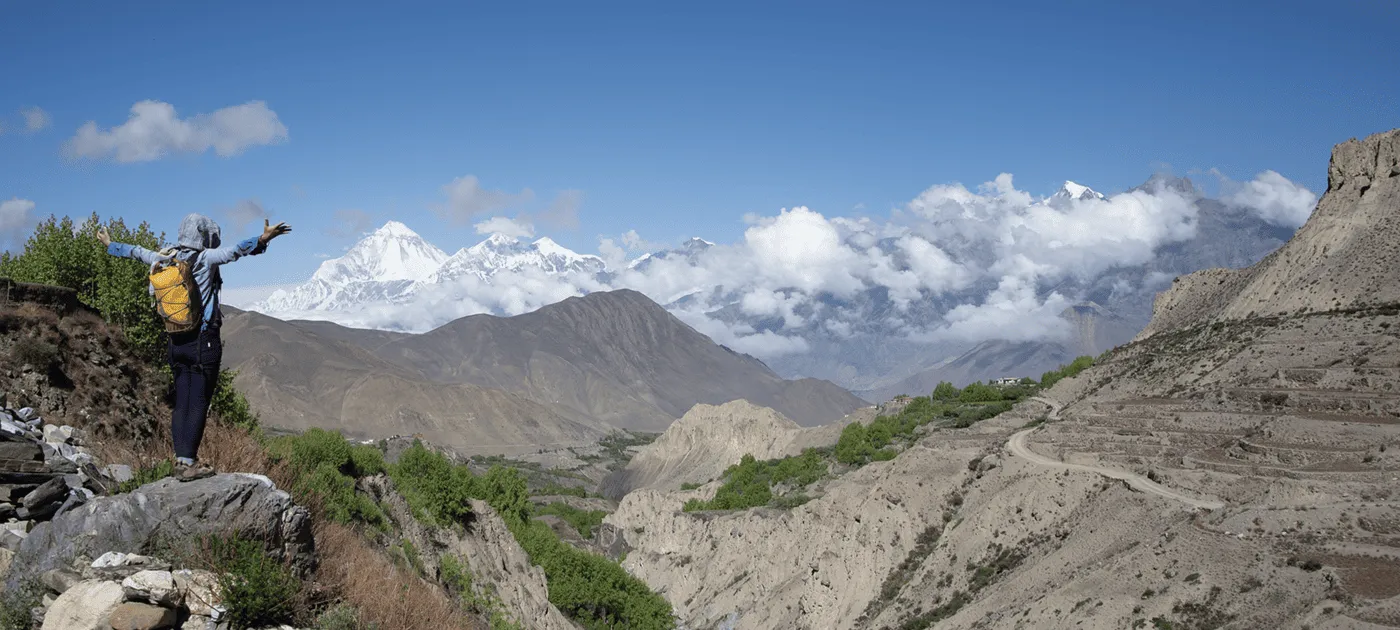
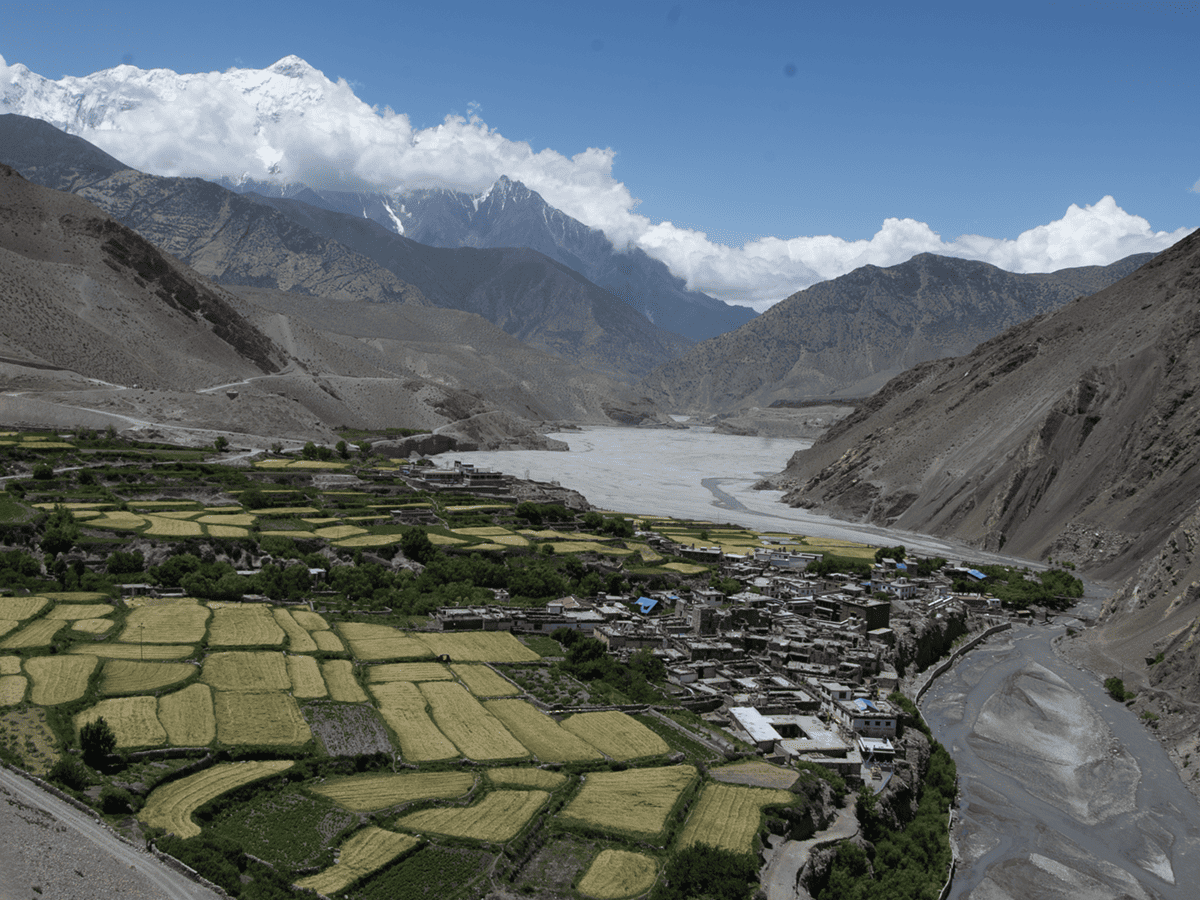
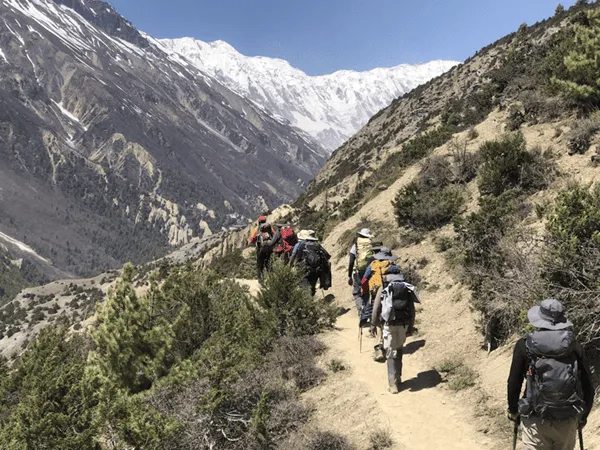
Located in the Northwest region of Nepal, bordering Tibet, Upper Mustang is a unique and culturally fascinating trekking destination. It is very different from other popular trekking areas such as the Everest region and the Annapurna region. Instead of lush forests and overcrowded mountain trails, trekkers enter a dramatic desert-like landscape comprised of deep canyons, barren cliffs, ancient caves, and centuries-old Tibetan villages, including the ancient kingdom of Lo Manthang.
Previously, the Upper Mustang trek was hidden from the outside world as the area was restricted to foreign tourists until 1992. Today, foreigners need to acquire special permits to enter Upper Mustang. Along with having a similar landscape to Tibet, The architecture and lifestyles of the region are heavily influenced by Tibetan Culture. Therefore, it earned the nickname "Mini Tibet."
Trekking in Upper Mustang is like entering into another world, where ancient customs continue to flourish in isolation. The trail also provides beautiful mountain views and a chance to experience the area's rich history and culture. This means that every trekker who wants something more than a high mountain adventure will have an unforgettable experience. From the ancient walled city of Lo Manthang to the sky cave systems of Chhoser village, each part of the Upper Mustang trek is a unique landmark offering new experiences.
Major Attractions of Upper Mustang
Lo Manthang
Lo Manthang is the cultural and historical center of Upper Mustang. Once the capital of the old Kingdom of Lo, it is one of the most intriguing cities in Nepal. There is a significant name behind the name "Lo Manthang" in the Tibetan Dialect of the Loba people (locals of Lo Manthang). Lo means “heart/desire,” Man means “wish,” and thang means “land/plain.” When all of them are combined, Lo Manthang means "The Land of Aspirations" or "Heart's Desired Land."
Lo Manthang, also known as the walled city, is surrounded by walls of mud brick (856 m long and 6 meters high). The wall was built in order to protect the royal palaces, monasteries, and the people residing in the city.
Exploring the city is like stepping through a time capsule into a hidden kingdom of the Himalayas. The ancient monasteries like Jampa Gompa and Thubchen Gompa are also home to beautiful Buddhist paintings, statues and religious artworks, reflecting the rich cultural legacy of the area.
Many trekkers stay an additional day in Lo Manthang to visit the nearby villages, monasteries and caves. Lo Manthang is a notable highlight of the Upper Mustang Trek, with its peaceful atmosphere, ancient architecture, and surrounding Himalayan desert landscapes.
Chhoser Cave System
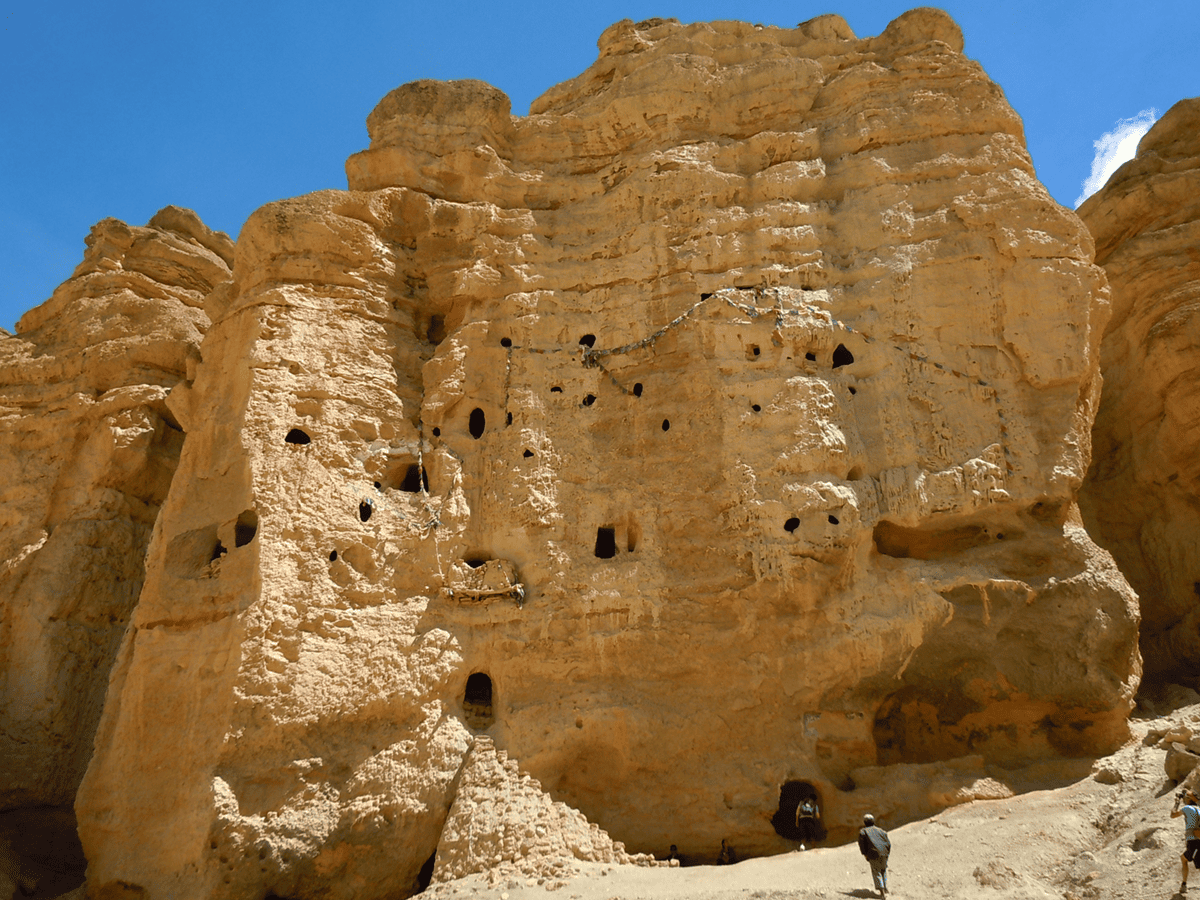
The Chhoser Cave (Jhong Cave) is one of the most mysterious places in Upper Mustang. These ancient caves are formed in huge rock cliffs in the village of Chhoser and are believed to be 2,000 to 3,000 years old. Historians and archaeologists theorize that they were used for a variety of reasons, but they are generally thought to have been used as meditation rooms, shelter, and burial sites.
The hike to Chhoser cave is an interesting and meaningful experience. The trekkers ascend on steep stairs and pass through dark rooms within the mountain wall. The vistas from the openings of the caves that look down on the broad valley of the Chhoser are very stunning.
The caves illustrate the remarkable history and survival skills of the people who once lived in this harsh Himalayan environment. Exploring the Chhoser cave is certainly a memorable and fascinating part in the Upper Mustang trek.
Chhoser cave
Kagbeni
Standing at an elevation of 2,804 m, Kagbeni is the classic entry point to the restricted region of Upper Mustang. This is also the place where the permits will be checked on the first occasion for international visitors. The village is decorated by ancient monasteries, mud-brick houses, apple orchards, incredible landscapes with rocky cliffs, and the holy Kali Gandaki River.
Trekkers generally prefer to stay here for resting before heading to the Upper Mustang region. The village has plenty of facilities for accommodations for the trekkers. There are lodges, guesthouses, and restaurants along with great meal options for a comfortable overnight stay.
Kagbeni is also a perfect place for natural and cultural exploration, as you can stroll through the narrow alleys surrounded by Tibetan-style mudbrick houses, hike to nearby vantage points, interact with locals, and visit the Kag Chode Thupten Samphel Ling Monastery. You can get awe-inspiring views of the Dhaulagiri ranges, Niligiri and many others from the village, making it a great attraction for the trekkers visiting Upper Mustang.
Kagbeni
Dhakmar
Dhakmar is a unique village situated in the Upper Mustang region, which features giant red hills sweeping over the landscape. The hill is said to be historically related to Guru Rinpoche, one of the key figures in fostering Buddhism in Upper Mustang. The color red in the hills represents the blood of the demon that was conquered by Guru Rinpoche, based on local legends.
You can also find hundreds of mini caves in the red cliff, which are historically significant. Nearby, there is a Zeo park for the entrance to the caves of the red cliffs. Although the Dhakmar village is not much widely known to the Nepali citizens, it attracts many tourists for photography and to enjoy the unique and serene atmosphere.
Ghami village and the mani wall
Ghami village is a remote village situated at an elevation of 3,510 m in the Mustang district, Nepal. The village features charming white-washed houses with highly detailed windows and door carvings. You can also find prayer flags, mani walls, and chortens in the narrow alleys of the village.
The major attraction of the village is the long mani wall, which is stretched for a few hundred meters. The wall also carries a significant history with it. According to local legends, Guru Rinpoche defeated a demoness who was stopping the construction of Samye Monastery in Tibet. The mani wall was constructed directly over her intestines to restrain her spirit. Trekkers will encounter the mani wall on the trekking route from Ghami village before reaching Charang La Pass.
Reaching the starting point of the trek
The trek to Upper Mustang starts from Kathmandu, which can be reached by a short scenic flight or a longer road trip, passing along Trisuli river, lush green hills, and scenic villages. Pokhara is an important stop for the trek, where trekkers can buy permits and equipment before heading further. Trekkers need to make sure that they are well-prepared before leaving Pokhara.
Trekkers can take a flight or jeep ride from Pokhara to reach Jomsom. The flight offers breathtaking scenic views between the Annapurna and Dhaulagiri ranges. Whereas the jeep ride to Jomsom goes through rough but adventurous tracks. The dry and windy terrain of Mustang starts from Jomsom.
Then, the journey will proceed to Kagbeni, which is the point of entry to the Upper Mustang.
Here, trekkers will need to register their permits at the checkpoint and begin their trek in the Upper Mustang region.
Upper Mustang Trek Itinerary
The Upper Mustang Trek usually lasts for 14 to 18 days, with acclimatization and exploration days. The journey begins from Kathmandu to Pokhara and then to Jomsom and finally enters the remote landscape of Upper Mustang. Throughout the journey trekkers visit traditional villages like Chele, Ghami, and Charang and reach Lo Manthang, where they explore the cultural and historical attractions before descending back to Jomsom.
The typical 15 days Upper Mustang trek itinerary is provided below:
Day
Program
Altitude
Duration
1
Drive from Kathmandu to Pokhara
830 m
7 hours
2
Flight to Jomsom and then trek to Kagbeni
2743 m and 2810 m
25-minute flight + 4-hour trek
3
Trek to Chele
3050 m
6 hours
4
Trek to Syangboche
3800 m
6 hours
5
Trek to Ghami
3500 m
6 hours
6
Trek to Charang
3560 m
5 hours
7
Trek to Lo Manthang
3770 m
5 hours
8
Exploration day in Lo Manthang / Hike to Chhoser Cave
Chhoser Cave - 4000 m
-
9
Trek to Ghami
3500 m
7 hours
10
Trek to Samar
3700 m
6 hours
11
Trek to Chussang
2980 m
6 hours
12
Trek to Muktinath
3760 m
6 hours
13
Trek to Jomsom
2743 m
5 hours
14
Flight to Pokhara
830 m
25 minutes
15
Scenic drive to Kathmandu
1350 m
7 hours
Experience Required for the Trek
The Upper Mustang trek can be considered a moderate to challenging one due to altitude gains and desert-like climate conditions. Trekkers should have decent fitness and stamina to undertake this unique and rewarding trek in Nepal. You will need to traverse through several high-altitude villages and terrains, so proper acclimatization becomes mandatory to successfully complete the trek.
Upper Mustang Trek Difficulty
Difficulty level: Moderate to Challenging trek
Total trekking distance: About 125 kilometers with starting and ending point at Jomsom
Average walking hours: Takes around 6 to 7 hours per day
Geographical hurdles: High altitude gains with maximum elevation at Nyi La Pass (4010 m), dusty and rocky trail with strong winds, and hot weather in desert-like terrain
High-altitude regions: Lo Manthang, Syangboche, Dhakmar, and Chhoser/Jhong cave to name a few
Physical Fitness and Preparation
Trekkers must do the following activities consistently for 2-3 months before setting out on the trek.
Stamina and Fitness: Perform activities such as cycling, running, swimming, and hiking with a loaded backpack to enhance your stamina and fitness level.
Legs and Cores: To strengthen your legs and core muscles, do exercises like lunges and squats in sets.
Flexibility: Doing yoga and stretching exercises can be beneficial to improve flexibility and prevent injuries during the trek. They also help your body to recover faster after long hours of walking in the arid and rocky trails of Upper Mustang.
Along with Physical preparation, trekkers should also equally focus on mental preparation. One should have a positive mindset and strong resilience to complete the Upper Mustang trek successfully.
Who is suitable for the trek?
The trek is ideal for beginners, seasoned trekkers, and trekkers who are photography enthusiasts and want an exceptionally amazing experience in the desert-like Upper Mustang region.
Generally, people in the age range of 18-55 are recommended to undertake this trek. However, as long as the trekkers have a decent level of fitness, they are qualified to take this spectacular journey. Even children above the age of 11 and elderly people in their 60s and early 70s can do this trek, given that they are in good physical condition.
People who do not want to walk for long hours can also explore the Upper mustang region via shared or private Jeep.
Altitude Sickness and Prevention
Altitude sickness/acute mountain sickness (AMS) can be a major concern throughout the trek, as the trail will reach several villages in high elevations and high passes. Most of which are over 3000 meters above sea level. The common symptoms of AMS include nausea, vomiting, headache, and loss of appetite. Trekkers are highly recommended to inform their trekking guide as soon as they observe any of these symptoms. Ignoring these symptoms can lead to severe complications like High altitude pulmonary edema (HAPE) and High altitude cerebral edema (HACE), which can be life-threatening.
The altitude sickness can be prevented mainly by properly acclimatizing to the high altitude. To do that, trekkers need to walk at a steady pace and always stay hydrated. Your trekking itinerary should also have enough acclimatization day to adjust to the thin air at high elevations. It is also wise to ascend not more than 500 meters per day. You should also avoid alcohol and caffeinated drinks during your stay in high-altitude regions.
Best time to do the Upper Mustang trek Nepal
The most appropriate times for the Upper Mustang trek in Nepal are during Spring and Autumn seasons. Unlike other trekking destinations in Nepal, the upper mustang region can also be explored during the monsoon season. As the region lies in the rain shadow region, the rain clouds are blocked by the himalayas. Also because of a lack of rainfall, Upper Mustang has an arid landscape with deserts, canyons, and deep gorges. Winter is not considered an ideal season for the trek due to heavy snowfall and brutal winds.
Spring Season
The spring season in Nepal spans from March to May. This time is perfect for the trek to the Upper Mustang region due to great weather conditions with moderate temperatures. The daytime temperature during this season is around 20°C, which is optimal for the trek. Similarly, you are also treated to astonishing views of the Annapurna and Dhaulagiri mountain ranges from the region.
This season is extra special for trekking due to the Tiji Festival, which falls in the middle of May. The Tiji festival, also known as Tenji, is the main festival of the Upper Mustang region that lasts for 3 days. It is one of the primary reasons for travelers to choose the Upper Mustang trek in spring.
Autumn Season
The autumn season (late Sep to Nov) is perfect for the Himalayan scenery in the Mustang region due to clear blue skies and favorable weather. This period also marks the end of the trekking season, as the local residents will migrate to Pokhara or other lower regions to avoid the brutal winter conditions.
The average daytime temperature during the months of October and November is around 15°C. The nights can be cold but sitting nearby the well-lit stove at night in the teahouse makes for a memorable experience. Autumn is the busiest season for the trek due to favorable trekking conditions. Permits will be booked very fast, so early booking is necessary for a comfortable and hassle-free trek.
Monsoon/Summer Season
During monsoon season (June to August), most of the trekking routes in Nepal are muddy and slippery as well as prone to landslides. That is not the case for the Upper Mustang region. Being a rain shadow region, there is generally no rainfall in the area. Trekkers can struggle with the blazing sunlight, with daytime temperatures reaching to 25°C but the trek is still manageable. Rainfall can also occur sometimes in the lower region of the trek route.
Around this time, you can also get the chance to experience the Yartung Mela, which is a horse festival happening on the August full moon day. The Himalayan vistas of the Annapurna and Dhaulagiri ranges are also equally rewarding with respect to Spring and Autumn seasons, making this season a great choice for the trek.
Upper Mustang Trek Permits
As the Upper Mustang region is classified as a restricted area in Nepal, you will need to have a restricted area permit to enter the lost kingdom. Similarly, a permit to enter the Annapurna region is also mandatory. Here are the major permits required for the trek:
Restricted Area Permit: This permit will cost international trekkers 500 USD per person for 10 days. For the additional stay, you will need to pay 50 USD per person per day.
Annapurna Conservation Area Permit: This permit will cost around 20 USD per person and is mandatory to get an entrance in the Annapurna region.
TIMS Card: Trekkers’ Information Management System (TIMS) card will cost around 10-15 USD per person. It is used for handling the records of international trekkers, which can be very important in tracking them during emergency conditions.
Permits can be obtained online or from the Nepal Tourism board and the Department of Immigration (for restricted area permits) in Kathmandu. If you are trekking with a trusted trekking company, you just have to hand over your necessary documents to them. They will take care of the permits on your behalf.
Necessary Documents for the permits
Passport with Nepal visa and at least 6 months validity
Passport-sized photos
Itinerary and route of the trek
Information of your Licensed Trekking Guide
Travel Insurance
Reasons to Choose Upper Mustang Trek in 2026
The Upper Mustang Trek offers the opportunity to discover a unique and remote region of the Himalayas, where there is very unique culture, landscape and history. It presents a more personal and immersive experience than the other more popular trekking trails in Nepal. Here are some solid reasons why you should do this trek in 2026:
Creating unforgettable journeys across Nepal, Tibet, and Bhutan.
At Rising Adventure, we believe in connecting you to mountains, culture, and peace. As your trusted local travel partner, we create safe, authentic, and unforgettable trekking, climbing, and tour experiences across Nepal, Tibet, and Bhutan. With experienced local experts and personalised service, we're with you every step of your journey, from your first enquiry to your final departure, ensuring a smooth, memorable, and truly unforgettable experience of a lifetime.