

Island Peak (Imja Tse) is one of the most popular climbing peaks in Nepal for trekkers who want to take their first step into mountaineering. The peak lies in the Khumbu region of eastern Nepal at an elevation of 6,189 meters. The first thought that most people will have before climbing the peak is, how hard is the island peak climb? The answer lies in the fact that there are many factors that contribute to the Island Peak difficulty, which includes high altitude, long days of hiking, cold weather, glacier travel, and technical sections with crampons and fixed ropes.
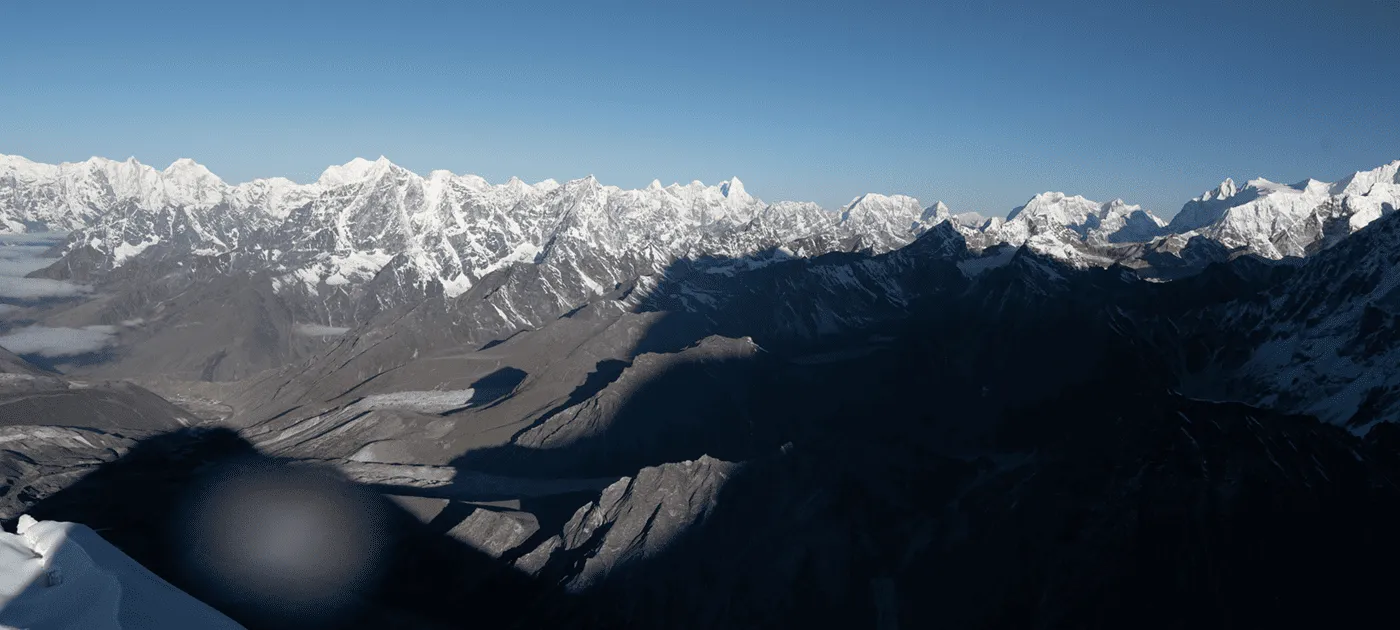
Island Peak Difficulty: How Hard Is the Climb?
The climbing difficulty of Island Peak is not easy as compared to a standard trek, especially the final ascent to the summit, but for well-prepared climbers, it is moderate to challenging. For many fit trekkers, the summit is attainable with proper acclimatization and physical preparation and with a bit of climbing training. This guide covers the basic considerations for the difficulty of Island Peak and what to expect on the trek and summit climb.
What factors contribute to the difficulty of Island Peak
The overall difficulty of the Island Peak climbing depends on the following reasons:
- High altitude: Breathing, stamina, sleep and body recovery may be compromised at high elevations up to 6,189 m due to the reduced amount of oxygen present.
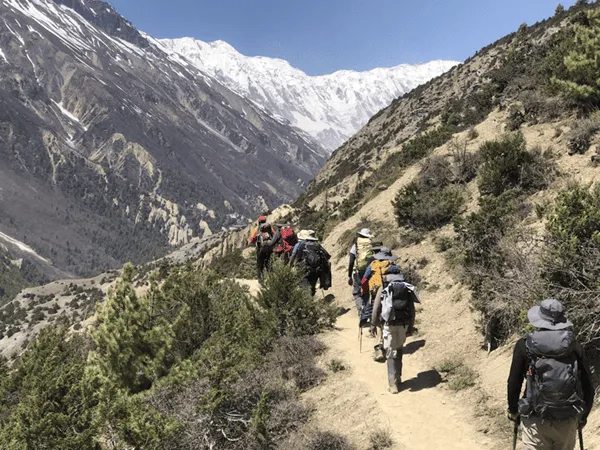
- Long trekking days: It takes several days of trekking in the Khumbu region to reach the base of the island peak.
- Technical climbing: Crampons, ice axes, harnesses and fixed ropes are essential to peak climbing.
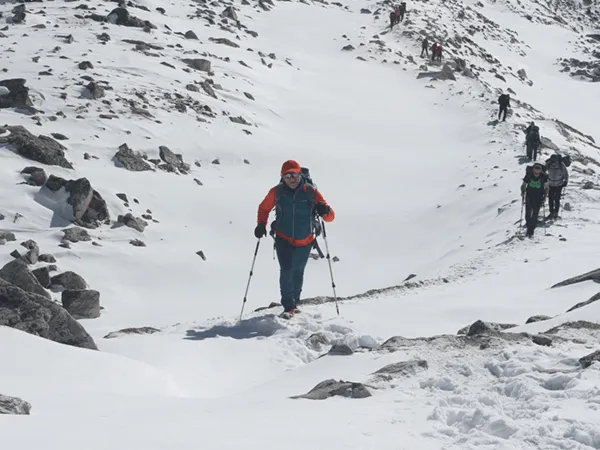
- Snow and glacier terrain: The climbing will take place in snowy and glacier terrain. The climbing route can also change depending on the weather.
- Narrow ridge: The final ridge up to the peak is highly exposed and narrow. Thus, it becomes challenging to reach the top, particularly when the climbers are exhausted.
- A long day on the summit: climbers should be reasonably fit to make the ascent up to the summit and descent back down to the base, which can take several hours.
- Cold weather: Cold and windy weather can make the journey extra challenging.
Is Island Peak Suitable for Beginners?
Island Peak can be suitable for beginners who are new to mountaineering. However, it is not an easy climb for someone with no preparation. A fit trekker with good endurance and previous multi-day trekking experience can attempt the peak with proper training and qualified climbing support. Many expeditions provide basic instruction in using crampons, an ice axe, a harness, and fixed-rope systems before the summit attempt.
However, learning to use the equipment is only one part of the climb. Using crampons during a practice session is very different from using them after several hours of climbing at high altitude. Summit day requires climbers to combine basic technical skills with endurance, concentration, and good decision-making.
Previous high-altitude trekking experience can be particularly useful because it helps climbers understand how their body responds to long days and increasing elevation. Similarly, previous technical climbing experience is helpful rather than essential for many guided expeditions. Lastly, good acclimatization and physical preparation remain equally important.
Altitude and Acclimatization
Altitude is one of the main factors affecting the Island Peak climbing difficulty. The peak is 6,189 meters high, with thinner air making the physical activity more challenging. With increased elevation you become tired quicker and need more time to recover from physical activity.
The trek in the Everest region allows the climbers to gain altitude in a gradual way. For most Island Peak itineraries, the key acclimatization stops are in between the villages of Namche Bazaar and Dingboche and Chhukung. These stops allow the body to properly adjust to the higher elevation conditions.
Proper acclimatization cannot be replaced by physical fitness. Even very physically fit individuals can have symptoms of altitude sickness if they make their ascent very rapidly. A well-planned itinerary and a gradual ascent are therefore important to reach the higher sections of the journey in good health conditions.
Proper hydration, nutrition, and walking at a steady pace are essential for acclimatization. In addition, climbers should honestly report any signs of altitude sickness and follow the guidance of their climbing guide. Taking an extra day or descending when necessary is always a better choice than ignoring signs that the body is struggling with altitude.
Physical Fitness Required for Island Peak
Good physical fitness is important for Island Peak because the expedition requires sustained effort over several days. For long uphill walks, you need to have adequate stamina and have strong legs for several ascents and descents. You also need to put hours of sustained effort on the summit, at high altitudes.
The best preparation is to do hiking, which will build up your stamina for trekking and climbing. If mountain trails are not available, training on hills or stair steps can still be beneficial. The length and the complexity of the sessions can be increased gradually so that your body builds up endurance for the longer days of trekking and climbing.
There should be major emphasis on strength training for the legs and core. For that, you can do exercises such as step-ups, lunges, and squats. Having a good balance is also useful because you will be traversing across rough, snowy, and uneven trails.
Likewise, focus on long-term fitness rather than last-moment training. Endurance training and regular hiking can provide a better foundation for Island Peak climbing preparation, which requires you to be active for several days.
Climbing Skills and Experience Required
The technical mountaineering skills are not mandatory for climbing Island Peak, but it is necessary for climbers to be ready to learn and apply basic climbing skills. Here are some of the essential skills that are taught at the Island Peak base camp prior to the summit push:
- Use of crampons: They can be helpful for you to walk safely on snow and ice.
- Ice axe handling skills: You need to have knowledge and techniques of using an ice axe on mountain surfaces.
- Use of Harness: You should know the correct use and adjustment of climbing equipment in the safety systems.
- Fixed-rope techniques: You need to climb safely on fixed areas following the instructions of the climbing guide.
- Glacier awareness: You should move carefully around the crevasse-prone areas.
- Safe descent: It is also essential to prepare the descent in a safe way once you reach the summit of Island Peak.
Most guided expeditions offer training before the Island Peak ascent. Take enough time to get used to your gear and the climbing methods you'll use during the climb.
Final Thoughts
The Island Peak difficulty is moderate to challenging depending on one’s fitness and mountain experience as well as acclimatization and weather conditions. This is much harder than a standard trek because it requires high-elevation travel, long days of trekking, glacier trails, and basic technical skills for climbing.
With the right physical fitness, proper acclimatization, and climbing training, many fit trekkers and first-time climbers are able to climb up to the top of Island Peak. Regular endurance training, learning the appropriate climbing skills, and adhering to your guide's instructions are important for you to have a safe and memorable experience of Island Peak climbing.
Need Help? Call Us


We're Here to Help 24/7
Meet Your Local Experts
Creating unforgettable journeys across Nepal, Tibet, and Bhutan.
At Rising Adventure, we believe in connecting you to mountains, culture, and peace. As your trusted local travel partner, we create safe, authentic, and unforgettable trekking, climbing, and tour experiences across Nepal, Tibet, and Bhutan. With experienced local experts and personalised service, we're with you every step of your journey, from your first enquiry to your final departure, ensuring a smooth, memorable, and truly unforgettable experience of a lifetime.