

The Manaslu Circuit Trek is one of the most rewarding high-altitude treks in Nepal. However, the trek cannot be taken as light work. The remoteness and ruggedness of the mountain trail in the Manaslu region demand careful preparation in order to successfully complete the trek. Understanding the Manaslu Circuit Trek difficulty is essential before setting out on this rewarding Himalayan adventure.
How Difficult Is the Manaslu Circuit Trek? A Trekker's Guide
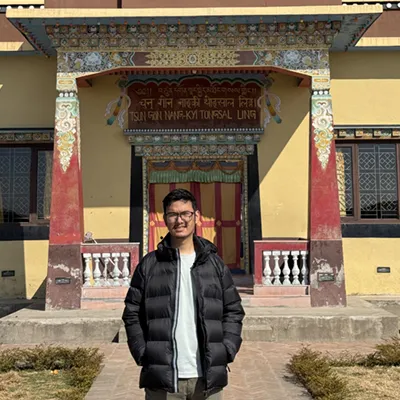
This walk winds through various terrain, through old mountain villages and amazing Himalayan landscapes. You slowly rise in elevation along the way until you reach the challenging high mountain pass of Larkya La Pass at 5,106 m. The trek does not involve any technical climbing, but the difficulty level is definitely more challenging than many lower-elevation treks.
Overall Difficulty Level of the Manaslu Circuit Trek
In general, the Manaslu Circuit Trek is considered moderately challenging to strenuous. On average, the trek lasts about 14-18 days, depending on the route you take and your trekking starting and ending point. Most days involve between 5 and 8 hours of walking. Some sections even require more hours of walking.
Furthermore, each day of walking gets more demanding the higher you go. The last push to Larkya La Pass is arguably the most difficult part of the Manaslu Circuit trek. The trekkers have to be physically fit and ready against the unpredictable mountain weather.
Manaslu Circuit Trek Difficulty Overview
| Trekking Aspects | Details |
| Difficulty Level | Moderately challenging to strenuous |
| Highest Point | Larkya La Pass (5106 m) |
| Highest point of sleeping | Dharamsala (4460 m) |
| Total Trekking Distance | 170 to 180 kilometers |
| Total trek duration | 14 to 18 days from Kathmandu |
| Average Walking Hours | 5 to 8 hours per day |
| Physical Preparation | Cardiovascular training, lower body strength, and physical endurance |
| Previous Trekking Experience | Helpful but not mandatory |
| Accommodation | Mainly in basic teahouses with limited facilities (especially in high altitude sections) |
| Best trekking seasons | Spring (March to May) and Autumn (late September to November) |
Factors That Determine the Manaslu Circuit Trek Difficulty
There are a number of factors that affect the overall difficulty of this adventure in the Himalayas. Trekkers can better prepare for the journey if they know what challenges they may face on the trail.
High Altitude
One of the major difficulties on the Manaslu Circuit Trek is the altitude. The trek starting from Macha Khola will rise above 4,300 m to the high pass of Larkya La above 5,000 m from sea level. As altitude rises, there are fewer molecules of oxygen in the atmosphere. Therefore, headache, fatigue, dizziness, and breathlessness are all potential health problems that a trekker may encounter.
It is important to acclimatize correctly to prevent any altitude-associated hazards. There is usually a rest day around Samagaun or Samdo village to allow the body to acclimatize. It is important to walk at a comfortable and steady speed and not be in a rush to reach the higher levels faster. Likewise, identifying the altitude sickness as quickly as possible is really vital for timely medical assistance.
Trekking Distance and Daily Walking Hours
The Manaslu Circuit Trek involves several consecutive days of walking. The distance covered by the trekkers is about 170 to 180 kilometers, depending on the route taken and acclimatization hikes. The typical walk for most days of the manaslu circuit trek is 5 to 8 hours long. But getting across Larkya la Pass will take longer. Thus, having great endurance is a key factor to complete the trek.
Challenging Terrain and Trail Conditions
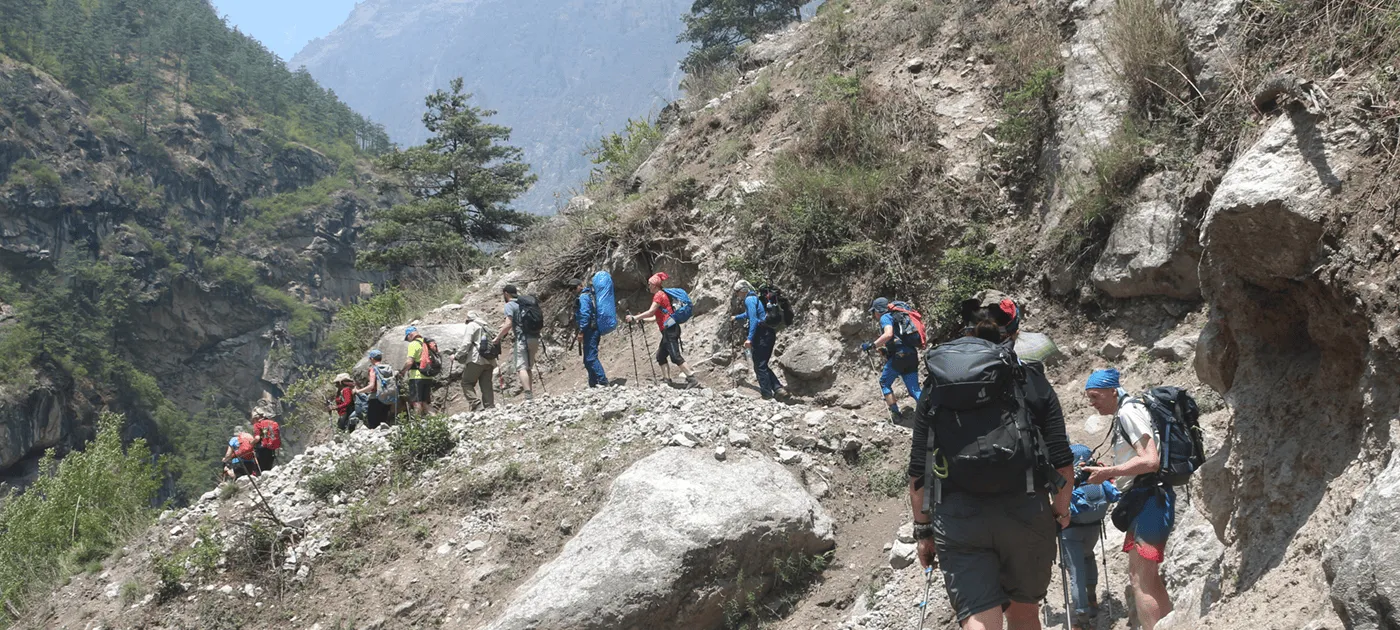
The walking trail of the Manaslu Circuit trek is diverse. The trekkers pass through rocky pathways, steep uphill paths, forest tracks, suspension bridges, and different mountain trails. Furthermore, during cold weather certain areas may be more difficult to traverse due to snow and ice. The route to the summit of Larkya La Pass is particularly difficult because of the high altitude and remote and rocky snow-covered area.
Weather and Temperature
Weather is a significant factor in the Manaslu Circuit trek difficulty. Weather conditions change rapidly as the trekkers reach the higher elevations. Villages at lower levels experience less harsh weather conditions. At higher regions, however, temperatures fall to extreme cold levels (even below -20°C), and strong winds, snow falls, and low visibility can largely affect trekking conditions.
Remote Location and Basic Facilities
You will not find better amenities in the Manaslu region as compared to other popular trekking destinations like the Everest region or the Annapurna region. In higher settlements such as Samdo and Dharmashala, limited accommodation and facilities exist in comparison to lower settlements like Jagat and Deng. There are only a few medical and emergency services available in remote areas of Manaslu. The trekkers should bring essential personal medication and appropriate first aid equipment. Similarly, adequate planning is crucial to ensure the journey is undertaken safely and successfully.
How Difficult Is Crossing Larkya La Pass?
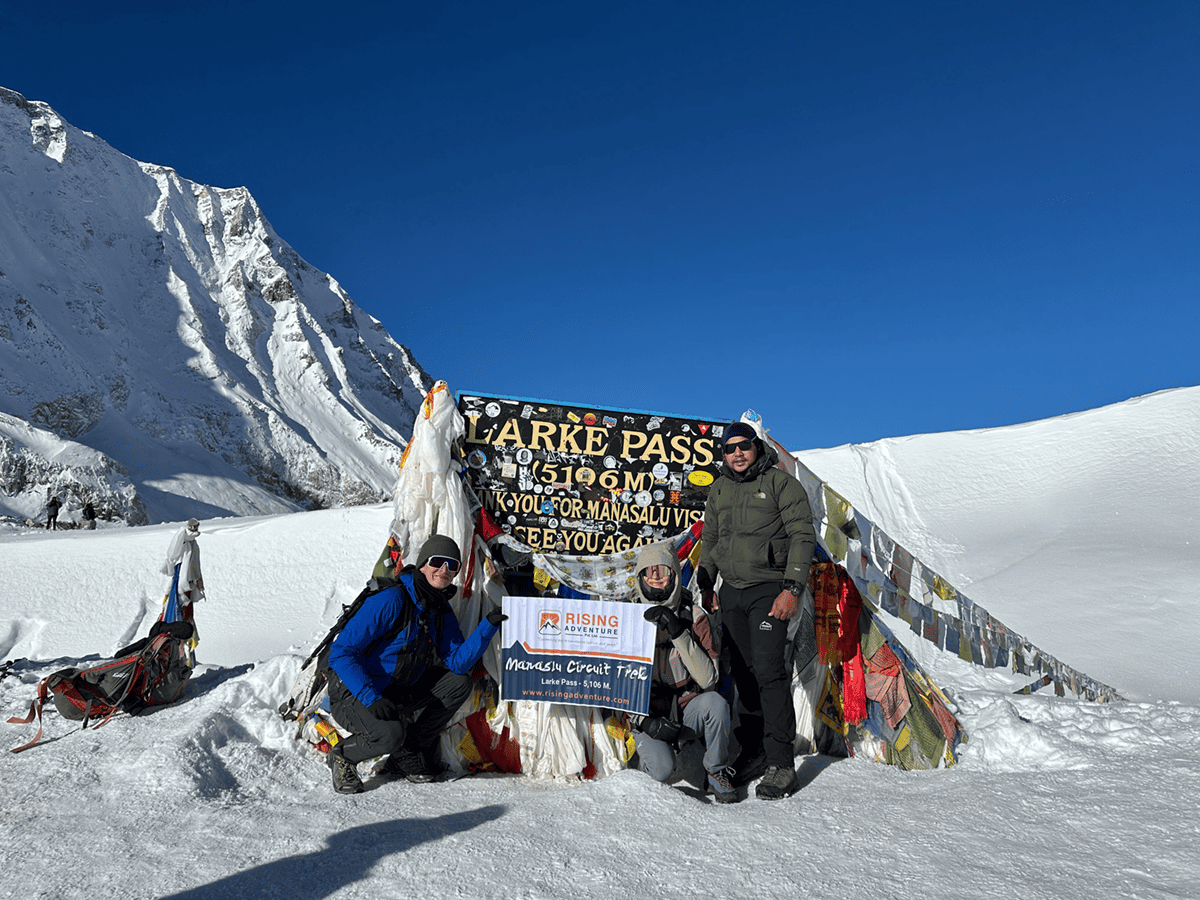
The Larkya La Pass at 5106 m is the highest point of the Manaslu Circuit Trek. This is usually considered the most difficult section of the Manaslu Circuit trek. It is a long ascent with rocky and snowy sections. In addition, at high altitudes breathing may become difficult, and you can easily get fatigue from even low physical exertion.
The typical trekking day on the summit starts early in the morning. Once trekkers cross the pass, they head down to Bimthang again through another tough stretch. No technical climbing is required while crossing Larkya La Pass, but it requires good preparation and endurance to complete it successfully.
How to Prepare for the Manaslu Circuit Trek
The experience of the Manaslu Circuit trek can be made more manageable and enjoyable if one is well prepared. Before embarking on the trek, the trekkers should make sure they are physically fit, know about the altitude gains, and have the necessary gear.
Cardiovascular Training
The Manaslu Circuit Trek is a very demanding trek, taking you through lots of steep ascents and descents and rugged terrains. Therefore, you must have great cardiovascular endurance to be ready for this trek. You can do activities like running, cycling, swimming, and hiking for several months prior to the trek for improving stamina and breathing capacity. At first, you can begin with shorter sessions and later increase the duration and intensity of your training.
Lower-body Strength Training
Powerful legs and a core can help to walk on rocks, climb uphill, and move downhill. Exercises such as squats, lunges, step-ups, calf raises, and planks will help you to achieve a stronger lower body. These lower-body strength training exercises also help to decrease muscle fatigue during subsequent days of trekking.
Proper Acclimatization
Proper acclimatization is important to avoid altitude sickness during the Manaslu circuit trek. There is a great risk of altitude sickness during the trek, as you will be trekking above 5000 m from sea level. You should allow plenty of rest/acclimatization days on the trek itinerary, stay hydrated, eat nutritious food, and walk at a steady pace to prevent altitude sickness.
Along with preventive measures, you should also stay alert to the early signs and symptoms of altitude sickness, as it will aid in timely treatment and avoid potentially life-threatening conditions such as HAPE (High-Altitude Pulmonary Edema) and HACE (High-Altitude Cerebral Edema).
Carry Appropriate Gears
Proper trekking equipment is essential for a comfortable experience during the Manaslu trek. You should wear comfortable and properly fitted trekking boots. You need to bring warm layered clothing, waterproof and down jackets, trekking poles, an appropriate sleeping bag, and other essential equipment for the trek to endure the changing weather and cold conditions at high altitude.
Mental Preparation
Mental preparation is just as important as physical preparation for long day treks like the Manaslu Circuit trek. The trek involves long days of walking, unpredictable mountain weather, basic accommodation, and challenging rugged sections along the way. Therefore, one must have patience, a positive attitude, and strong mental resilience to confidently complete the trek.
Can beginners do the Manaslu Circuit Trek?
Although the Manaslu Circuit trek is suitable for experienced trekkers, with proper preparation and guidance, it can be completed by beginners. It is important to have a good level of fitness and to understand the physical requirements of the trek rather than having previous trekking experience.
It will be wise to choose a trek itinerary with enough acclimatization days to allow the body to sufficiently adjust to the high altitude. If you are a first-time trekker heading to the remote region of Manaslu, a professional guide from a certified travel agency can come in handy. They will assist in navigation and logistics and ensure your safety throughout the trek.
Conclusion
All in all, the Manaslu Circuit Trek is a challenging yet highly rewarding trek in the Himalayas of north-central Nepal. Steep, difficult, and isolated paths along the trail require careful planning. The trek is typically recommended for experienced trekkers as well as the well-prepared beginner with good physical fitness and the appropriate trekking gear. Last but not least, it is crucial to understand the Manaslu Circuit trek difficulty and prepare accordingly so that you are able to undertake this amazing journey comfortably and have a fantastic experience of the amazing landscapes of the Manaslu region.
Need Help? Call Us



We're Here to Help 24/7
Meet Your Local Experts
Creating unforgettable journeys across Nepal, Tibet, and Bhutan.
At Rising Adventure, we believe in connecting you to mountains, culture, and peace. As your trusted local travel partner, we create safe, authentic, and unforgettable trekking, climbing, and tour experiences across Nepal, Tibet, and Bhutan. With experienced local experts and personalised service, we're with you every step of your journey, from your first enquiry to your final departure, ensuring a smooth, memorable, and truly unforgettable experience of a lifetime.